The beginning of a new era
PROTEOMA
It is a Biotechnological Institute in Regenerative Medicine and Advanced Therapies
The word “proteome” proceeds from the expression “proteins expressed from a genome”.
What do we do at PROTEOMA?
PROTEOMA is created with the objective to substantially enhance biotechnological tools, Molecular Biology, Cellular Biology and pharmacology in Biomedicine, to give vital information in a clinical case regarding the diagnoses and treatment on a wide spectrum of neurodegenerative, inflammatory, immune and autoimmune, neoplastic, aging diseases, etc., influencing in the molecular diagnosis and advance therapies (nanobiological) for a personalized medicine. It’s a multidisciplinary team composed by doctors, chemical engineers, biochemists, and pharmacological biologists. Our team has the proved experience in both basic and translational experience, as well as the industry, and has developed an array proteomic test based on biotechnology, allowing a registration of implicated markers in the aforementioned diseases, and provides the physicians a deep knowledge of the pathological condition in the patient on a molecular level, and based on it, the proposal of new nanobiological therapies, just as new therapies for control, improvement and resolution of different pathologies.
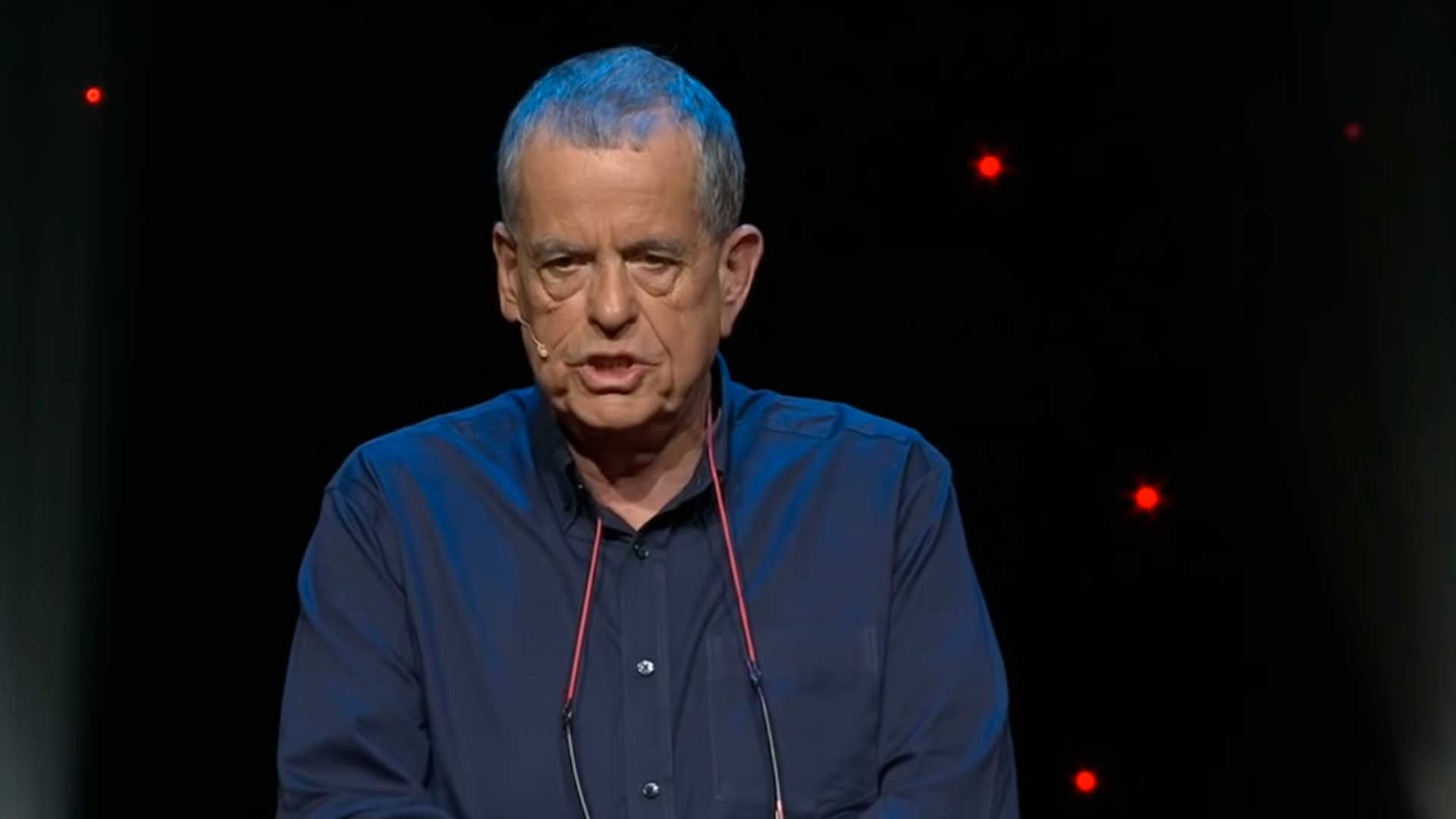
The tendency is towards a personalized medicine according to the Chemistry Nobel Prize.
Winner of the Nobel Price, Aaron Ciechanover: the revolution towards personalized medicine. Published: Tuesday, June 2nd, 2019 19:36
- To Aaron Ciechanover, personalized medicine is a paradigm change in relation to how we understand the treatments, and he calls it The Medicine’s Third Revolution.
- We must propel [the developing] of personalized medicine. It will be an specific treatment, it will cure more people, it will have less side effects.

Aaron Ciechanover
PROTEOMA
WHAT WE OFFER
Advance in personalized medicine
WHAT IS PERSONALIZED MEDICINE?
The type of medicine which uses information stored in genes, proteins, and the environment of a person to prevent, diagnose and treat a disease.
PROTEOMA
The word «PROTEOMA» comes from the expression “proteins expressed from a genome”. It refers to a complex composition of proteins expressed and modified by a specific cell, tissue, or organ at a certain moment under determined conditions. The proteome constantly changes in response to a series of environmental, intracellular and extracellular signals, health or sickness, cellular developing phase and the effects of treatments.
We designed a new integral method for disease treating in personalized Biomolecular Medicine.
BIOMLECULES WE ANALYZE
We obtain a large amount of data to design the therapeutic intervention, growth factors, adhesion molecules, homing cytokines and chemokines, immunological factors, TH1-TH2-TREG-TEH17, cytotoxicity and molecular stress, tumoral progression, metastasis and invasion markers, and anti-tumor factors.
BIOMOLECULAR ANALYSIS
A BIG PROGRESS IN PERSONALIZED MEDICINE
WHEN IS IT INDICATED?
- PREVENTIION IN MEDICINE
- WHEN THERE IS GENETIC BACKGROUND IN AUTOIMMUNE DISEASES, CRONICAL-DEGENERATIVE DISEASES, NEOPLASTIC CONDITIONS OR CANCER, ETC.
- IN GENERAL, WHEN WE WANT TO PREVENT ANY PATHOLOGY BEFORE THE DISEASE MANIFESTS
- TUMORAL OR CANCER PROCESSES
- INFLAMMATORY PROCESSES
- DEGENERATIVES
- NEUROLOGICAL (PARKINSON, ALZHEIMER, ECT.)
- ARTICULAR
- MUSCULOTENDINOUS
- AUTOIMMUNE
- ARTHRITIS
- LUPUS
- ASTHMA
- ALS
- PARKINSON’S
- ALZHEIMER’S
- SCLEROSIS
- ETC.
WHAT IS THE NOVELTY?
IF THEY ARE NOT THE ONLY EXPLORABLE PROTEOMIC PARAMETERS
WHAT IS THE NOVELTY?
(Grouping/selection of exploratory parameters and the connection between them that allows the most efficient interpretation of the patient’s health status.)
AND AFTERWARDS, WHAT TREATMENT?
Initially, the only possible way of therapeutic intervention ware MONOCLONAL ANTIBODIES, assuming all the innate side effects involved.
Due to the lack of noble medication, our project has gathered a team of experts from different European and American universities, with the goal to develop magistral nanotherapeutic formulas, able to modulate each of the targeted molecules through control of their metabolic pathways, Thus, PROTEOMA was born.
DIFERENCES
PERSONALIZED NANOBIOLOGICAL THERAPY
- ARTESANAL FABRICATION
- PERSONALIZED PRODUCT (SPECIALY CREATED FOR THE PATIENT’S REQUIREMENTS, FOR IT IS NOT THE SAME MEDICATION OR THE SAME DOSES FOR EVERYBODY)
- GOOD TOLERANCE (MINIMAL OR NO SIDE EFFECTS)
- ACTION OVER SEVERAL ALTERED MOLECULES, IN SEARCH FOR BALANCE.
ALOPATIC MEDICINE
- INDUSTRIAL FABRICATION (THE SAME MEDICATION AND SAME DOSES FOR EVERYBODY)
- ACTS ONLY OVER ONE THERAPEUTIC TARGET
- FRECUENT AND, SOMETIMES, INTENSE SIDE EFFECTS
- CRONIC USE, AFFECTING THE PATIENT IN THE FUTURE.
IMAGEN DIAGRAMA
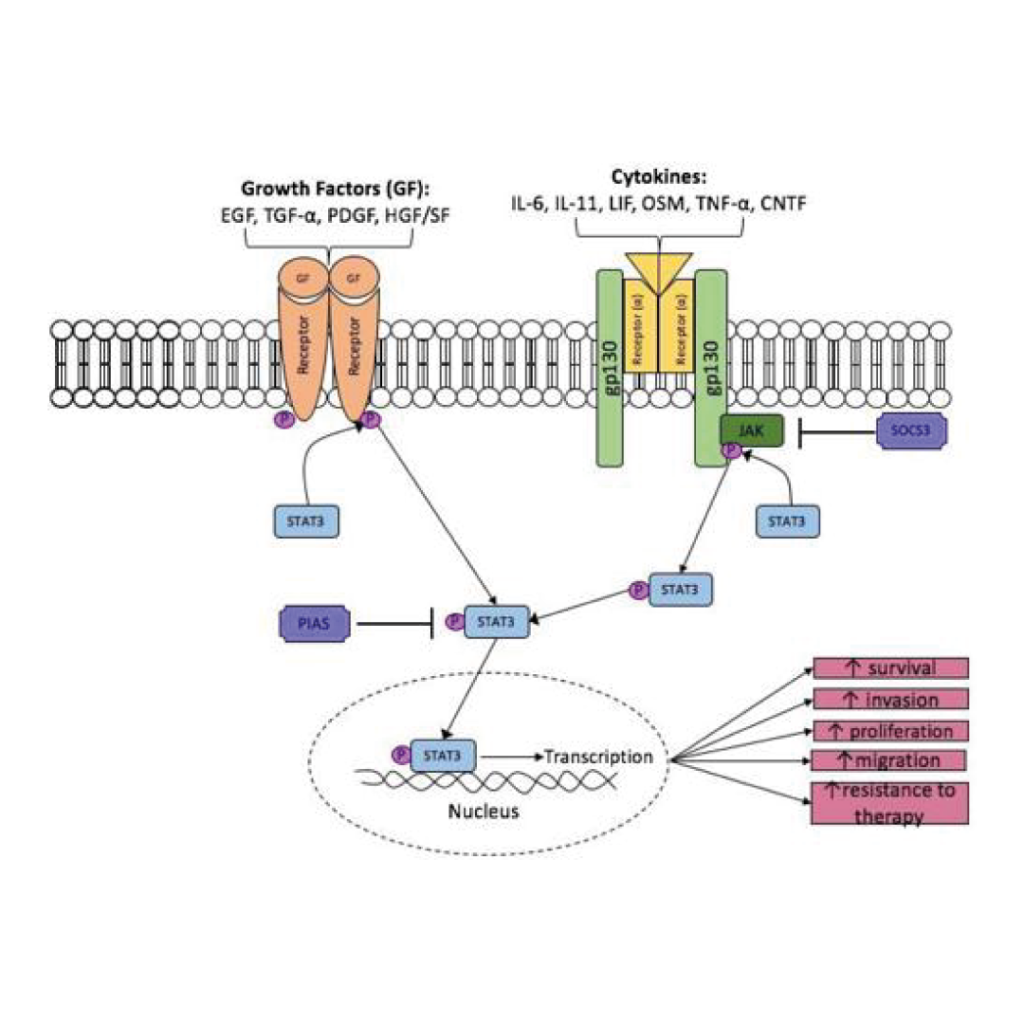
We base our nanobiological treatments on “pathways” implicated in the target molecules for new therapies.
PROTEOMA
WHAT DO WE ANALIZE?
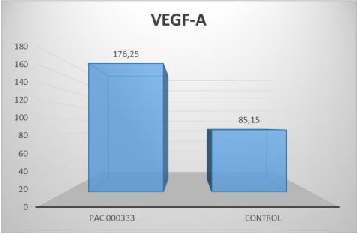
- VEGF (VASCULAR ENDOTELIAL GROWTH FACTOR)
- A POTENT INDUCTOR IN THE FORMATION OF BLOOD VESSELS DURING THE EMBRYONIC DEVELOPING (VASCULOGÉNESIS) AND IN THE FORMATION OF NEW BLOOD VESELS IN THE ADULT (ANGIOGENESIS).
- PROMOTES ANGIOGENESIS IN THE PROCESSES OF CRONIC INFLAMMATION, SCARING AND TUMORS
- IT ALSO REGULATES THE FORMATION OF NEW BLOOD VESSELS IN PATHOLOGIES LIKE REUMATHOID ARTHRITIS, OSTEOARTHRITIS, DIABETES AND MACULAR DEGENERATION RELATED TO AGING.
- HIGH LEVELS OF THIS FACTOR ARE RELATED TO THE POEMS SINDROME (POLI-NEUROPATHY, ORGANOMEGALY, ENDOCRINOPATHY, M PROTEIN, SKIN CHANGES). IT IS ALSO A MARKER FOR THERAPY RESPONSE.
- VEGF IS ALSO IMPORTANT IN DIABETIC RETINOPATHY.
- VEGF IS RELATED TO A POOR PROGNOSIS IN CANCER.
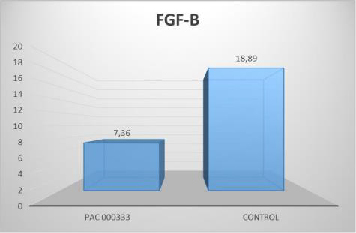
- FGF (FIBROBLAST GROWTH FACTOR)
- GROWTH FACTOR WHICH INCREASES THE RANGE OF MITOSIS ACTIVITY AND DNA SYNTHESIS, EASING THE PROLIFERATION FOR DIFERENT PRECURSOR CELLS, SUCH AS CHONDROBLAST, COLLAGENBLAST, OSTEOBLAST, ETC., WHICH FORM FIBER, UNION AND SUPPORT TISSUES IN THE BODY
- THIS FACTOR IS RELATED TO TUMORAL ANFIOFENESIS IN ONCOGENIC PROCESSES.
- FGF CONTRIBUTE TO DIFFERENT TYPES OF RESPONSES, LIKE CICATRIZATION OF WOUNDS, HEMATOPOYESIS, ANGIOGENESIS OR EMBRYONIC DEVELOPMENT.
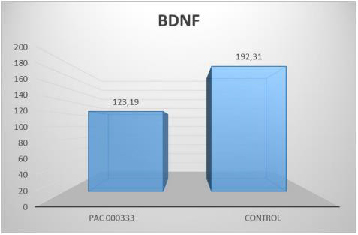
- BDNF (BRAIN-DERIVED NEUROTROPHIC FACTOR).
- IT’S A PROTEIN WHICH ACTS AS GROWTH FACTOR IN THE FAMILY OF NEUROTROPHINS ASSOCIATED TO NERVOUS GROWTH FAVTOR (NGF)
- THESE NEUROTROPHINS ARE LOCATED IN THE BRAIN AND PERIPHEREAL TISSUE.
- BDNF IS A POLIPEPTIDIC FACTOR THAT BONDS AND ACTIVATES THE TYROSINE KINASE RECEPTOR TRKB. IT IS IMPORTANT TO THE MOTOR NEURONS SURVIVAL AND THE HIPPOCAMPUS.
- IMPORTANT MARKER FOR NEUROLOGICAL STRESS.
- HAS AN IMPORTANT ROLE IN PLASTICITY PROCESSES AND NERVOUS SYSTEM DEVELOPING.
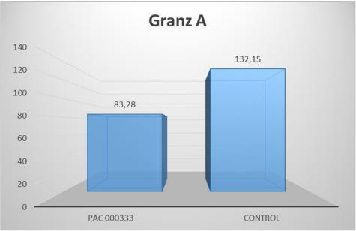
- GRANZIMES ARE A FAMILY OF SERINE PROTEASES, CONTAINED IN THE CYTOTOXIC GRANULES AND NATURAL KILLER CELLS (NK) IN INNATE AND ADAPTATIVE IMMUNITY.
- IT’S MAIN ROLE IS TO INDUCE CELL DEATH, TO ELIMINATE CELLS INFECTED WITH VIRUSES AND TUMORAL CELLS.
- THEY SEEM TO ALSO HAVE A ROLE IN THE REGULATION OF IMMUNE RESPONSE – CONTROLING THE SURVIVAL OF ACTIVATED T LYMPHOCITES-
- THEY MAY INDUCE INFLAMMATION OVER EXTRACELULAR SUSTRATES.
- GRANZIME A CAN BE FOUND ON HIGH LEVELS IN PATIENTS WITH INFECTIOUS DESEASES AND/OR PRO-INFLAMMATORY STAGES.
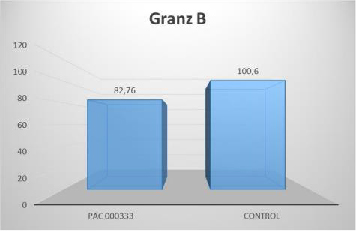
- GRANZIME B
- CAN CREATE AUTO-ANTIGENS AND CAUSE AUTOIMMUNE DISEASES
- THE DESTRUCTION OF B CELLS IN THE PANCREATIC ISLETS IS MEDIATED BY T LYMPHOCITES AND GRANZIME B, WHICH CONTRIBUTE TU TYPE 1 DIABETES.
- MAY MEDIATE CELL DEATH AFTER A SPINAL CORD INJURY
- IT IS FOUND IN HIGH LEVELS IN RHEUMATOID ARTHRITIS, COPD AND ASTHMA.
- GRANZYME B MAY ALSO KILL MELANOCITES, CAUSING SKIN CONDITIONS (CONTACT DERMATITIS, SCLEROTIC LICHEN AND LICHEN PLANUS. IN SOME CASES ALSO HAIR LOSS.
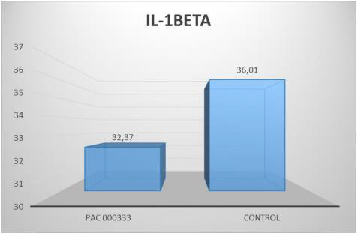
- IL-1Β.
- PROINFLAMMATORY, PYROGENIC AND ACTIVATOR OF HELPER CELLS
- INDUCED BY LIBERATION OF HISTAMINE FROM MASTOCITES, CAUSING VASODILATION AND LOCAL INFLAMMATION SIGNS.
- CHEMOTACTIC ACTIVITY OVER GRANULOCITES: NEUTROPHILES, EOSINOPHILS AND BASOPHILS.
- PYROGENIC EFFECT, CAUSING FEVER DUE TO RELEASE OF PROSTAGLANDINES. ALING IL-6, CAUSES RISING OF HEPATIC PROTEINS OF ACCUTE PHASE (I.E. FIBRINOGEN AND C REATIVE PROTEIN)
- ACTS OVER THE CENTRAL NERVOUS SYSTEM, INDUCING SLEEP AND ANOREXIA
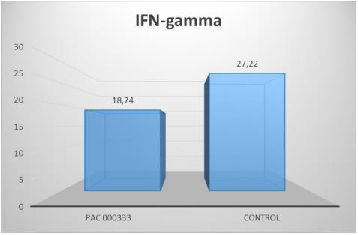
- IFN-Γ THE GAMMA INTERFERON
- A TYPE OF CYTOKIN PRODUCED BY T CD4+ LYMPHOCITES AND NATURAL KILLERS (NK), WHOSE MOST IMPORTANT FUNCTION IS: ACTIVATION OF MACROPHAGES, WITH INCREASE ON THEIR PHACOGYTIC ABILITY, IN BOTH INNATE AND ADAPTATIVE IMMUNITARY RESPONSES
- INTERVENES IN RECRUITING MONOCYTES FROM CIRCULATION
- POWERFUL ANTIMICROBIAL ACTIVITY
- STIMULATES CD8 LYMPHOCITES AND NK TOWARDS INFECTED CELLS
- TNF-Α (TUMORAL NECROSIS FACTOR ALPHA)
- CELLULAR SIGNALING PROTEIN (CYTOKINE), INVOLVED IN ACCUTE PHASE SYSTEMATICAL INFLAMMATION
- PRODUCED BY ACTIVATED MACROPHAGES AND MANY OTHER TYPS OF CELLS (CD4+ LYMPHOCITES, NK CELLS, NEUTROPHILES, MASTOCITES, EOSINOPHILS AND NEURONS)
- IT’S MAIN FUNCTION IS REGULATING CELLS IN CHARGE OF IL-1 & IL-6 PRODUCTION.
- TNF, AS AN ENDOGENOUS PYROGEN, IS CAPABLE OF INDUCING FEVER, CELL DEATH, PRO-APOPTOSIS, CAQUEXIA, INFLAMMATION AND INHIBIT TUMORAL GENESIS, VIRAL REPLICATION AND RESPOND TO SEPSIS THROUGH T CELLS.
- THE LACK OF REGULATION OF TNF PRODUCTION HAS BEEN INVOLVED WITH A VARIETY OF HUMAN CONDITIONS, INCLUDING ALZHEIMER’S, CANCER, MAJOR DEPRESSION, PSORIASIS AND INFLAMMATORY BOWEL DISEASE (IBD).
- IL-4 (INTERLEUKIN 4)
- GLUCOPROTEIN CYTOKIN
- PRODUCED BY Th2 CELLS, BASOPHILS, MASTOCYTES AND ACTIVATED EOSINOPHILS (CELLS INVOLVED IN ALLERGIC REACTIONS)
- INFLAMMATORY REACTION WHEN BLOCKING IL-1, TNF ALPHA, IL-6 AND MACROPHAGES INFLAMMATORY PROTEIN SYNTHESIS.
- INVOLVED IN THE REGULATION OF THE IMMUNE SYSTEM
- PROMOTES THE DIFFERENTIATION IN Th2 AND DIFFERENTIATION OF B LYMPHOCITES.
- INHIBITS APOPTOSIS.
- IMPORTANT ROLE IN ASTHMA, ATOPIC DERMATITIS AND ANAPHYLAXIS
- IL-4 (INTERLEUKIN 4)
- GLOCUPROTEIN CYTOKIN
- PRODUCED BY Th2 CELLS, BASOPHILS, MASTOCYTES AND ACTIVATED EOSINOPHILS (CELLS INVOLVED IN ALLERGIC REACTIONS)
- INFLAMMATORY ACTIVITY WHEN BLOCKING IL-1, TNF ALPHA, IL-6 AND MACROPHAGES INFLAMMATORY PROTEIN SYNTHESIS.
- INVOLVED IN REGULATION OF THE IMMUNE SYSTEM
- PROMOTES DIFFERENTIATION IN Th2 AND DIFFERENTIATION OF B LYMPHOCITES
- INHIBITS APOPTOSIS
- IMPORTANT ROLE IN ASTHMA, ATOPIC DERMATITIS AN ANAPHYLAXIS
- IL-6 (INTERLEUKIN-6)
- GLUCOPROTEÍN RELEASED FROM MACROPHAGES, T CELLS, ENDOTELIAL CELLS AND FIBROBLASTS.
- ITS RELEASE IS INDUCED BY IL-1 AND INCREASES IN RESPONSE TO TNF ALPHA.
- IT IS A CYTOKINE WITH ANTIINFLAMATORY AND PROINFLAMMATORY ACTIVITY. IN AUTOIMMUNITY AND/OR CRONIC INFLAMMATION,THEY GET WORSE. IT IS AN ENDOGENOUS PYROGEN WHICH STIMULATES THE ACTH PRODUCTION AT THE HYPOPHISIS.
- IT IS INVOLVED IN THE PRODUCTION OF IMMUNOGLOBULINS, DIFFERENTIATION BETIEN LYMPHOCITES B, ACTIVATES CYTOTOXIC T LYMPHOCYTES, PLASMA CELLS, MODULATES HEMATOPOYESIS AND IS RESPONSIBLE (ALONG IL-4) OF THE SYNTESIS OF ACCUTE PHASE PROTEINS IN ACCUTE HEPATIC PHASE, SPECIALY FIBRINOGEN.
- IL-6, ALONG IL-1, ACT AS ACCUTE PHASE INFLAMMATORY PROTEINS.
- IL-10 (INTERLEUKIN-10)
- PRODUCED BY REGULATOR T LYMPHOCITES, ALONG TGF-B
- ALSO KNOWN AS CYTOKIN SINTESIS INHIBITOR FACTOR (CSIF), CAPABLE OF INHIBITING PROINFLAMATORY CYTOKIN SYNTHESIS BY T LYMPHOCITES AND MACROPHAGES
- ANTIINFLAMMATORY AND IMMUNOREGULATOR PROPERTIES
- ITS PRESENCE HAS BEEN PROVED IN HUMAN ATEROSCLEROTIC PLATES, OBSERVING, IN EXPERIMENTAL STUDIES, THAT LOW LEVELS OF IL-10 FAVOR THE DEVELOPMENT OF MORE EXTENSE ATEROSCLEROTIC LEIONS AND, MORPHOLOGICALY, MORE UNSTABLE.
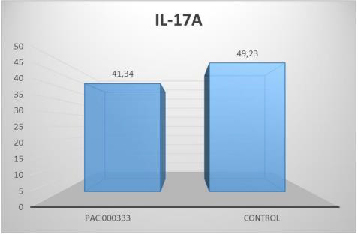
- IL-17 (INTERLEUKIN 17). FAMILY OF CYTOKINES PRODUCED BY COOPERATIVE T LYMPHOCITES OR TH17
- IL-17A PARTICIPATES IN AUTOIMMUNE PROCESSES, INFLAMMATION AND IMMUNITY.
- IT FAVOURS INFLAMMATORY PROESSES, MAINLY OVER MIELOID CELLS AND MESENCHIMAL CELLS. INDUCES THE EXPRESSION N OTHER SUBSTANCES, AMONG WHICH WE FIND THE GRANULOCYTE COLONY STIMULATING FACTOR, AND INTERLEUKIN IL-6 (IL6).
CD155. A PROTEIN COMMONLY OVERLY-EXPRESSED IN MALIGNANT HUMAN TUMORS.
THE OVER-EXPRESSION OF CD155 PROMOTES THE INVITATION AND MIGRATION OF TUMORAL CELLS.
ITS OVER-EXPRESSION HASTENS TUMORAL PROGRESSION.
CD155 MAY BE CONSIDERED AS A MAIN OBJECTIVE FOR TUMORS OVER-EXPRESSING CD144.
IT HAS BEEN PROVED THAT LEVELS OF CD155 WERE SIGNIFICANTLY HIGHER IN 262 SERUMS COMING FROM PATIENTS WITH LUNG, GASTRIC, BREAST, AND GYNECOLOGICAL CANCER WHEN COMPARED TO THE SERUM OF HEALTHY DONORS.
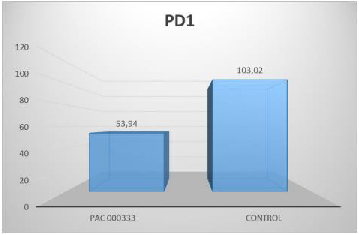
- PD-1 / PDL-1
- INHIBITOR OF IMMUNITARY CONTROL POINTS.
- PROTEINS OF CONTROL POINTS, SUCH AS PDL1 (IN TUMORAL CELLS) AND PD-1 (IN T CELLS), HELP TO MANTAIN THE CONTROL ON IMMUNITARY REACTIONS. THE BONDING OF PD-L1 TO PD-1 STOPS THE T CELL FROM DESTROYING THE TUMORAL CELLS IN THE BODY
- BLOCKING THE PD-1/PDL-1 BONDTHROUGH A IMMUNITARY CONTROL POINT INHIBITOR (ANTI-PDL-1 OR ANTI-PD-1) ALLOWS THE T CELLS TO DESTROY TUMORAL CELLS.
CD155. WEAKLY EXPRESSED IN SEVERAL NORMAL HUMAN TISSUES, BUR FRECUENTLY OVERLY-EXPRESSED IN MALIGNANT HUMAN TUMORS.
THE OVER-EXPRESSION OF CD155 PROMOTES THE INVATION AND MIGRATION OF TUMORAL CELLS.
HELPS TUMORAL PROGRESSION AND BAD PROGNOSIS.
CD155 MAY BE CONSIDERED AS A MAIN OBJECTIVE FOR TUMORS OVER-EXPRESSIONG CD144.
IT HAS BEEN PROVED THAT LEVELS OF CD155 WERE SIGNIFICANTLY HIGHER IN SERUMS OF 262 PATIENTS WITH LUNG, GASTRIC, BREAST AND GYNECOLOGICAL CANCER THAN THE SERUM OF HEALTHY DONORS.
The arginase enzyme hydrolyzes L-arginine to the products L-ornithine and urea. And its interaction with THE INDUCING NITRIC-OXIGEN SYNTHETASE as they compete for the L-arginine is of special relevance to immune response.
We obtain an individual proteomic molecular registration, allowing us to go down nearly to the molecular status of the individual. Understand every single functionality and its relation with the pathological state, thus telling us how to prevent diseases and other therapeutic interventions.
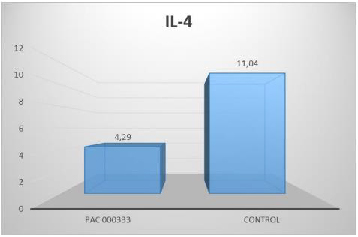
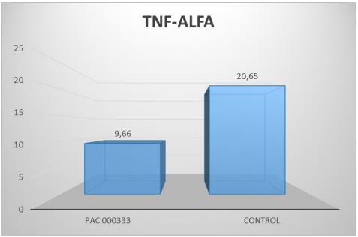
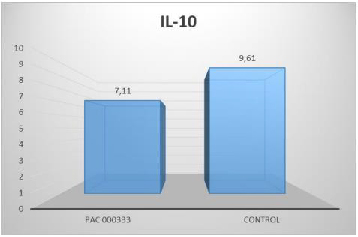
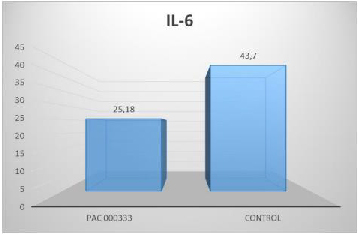
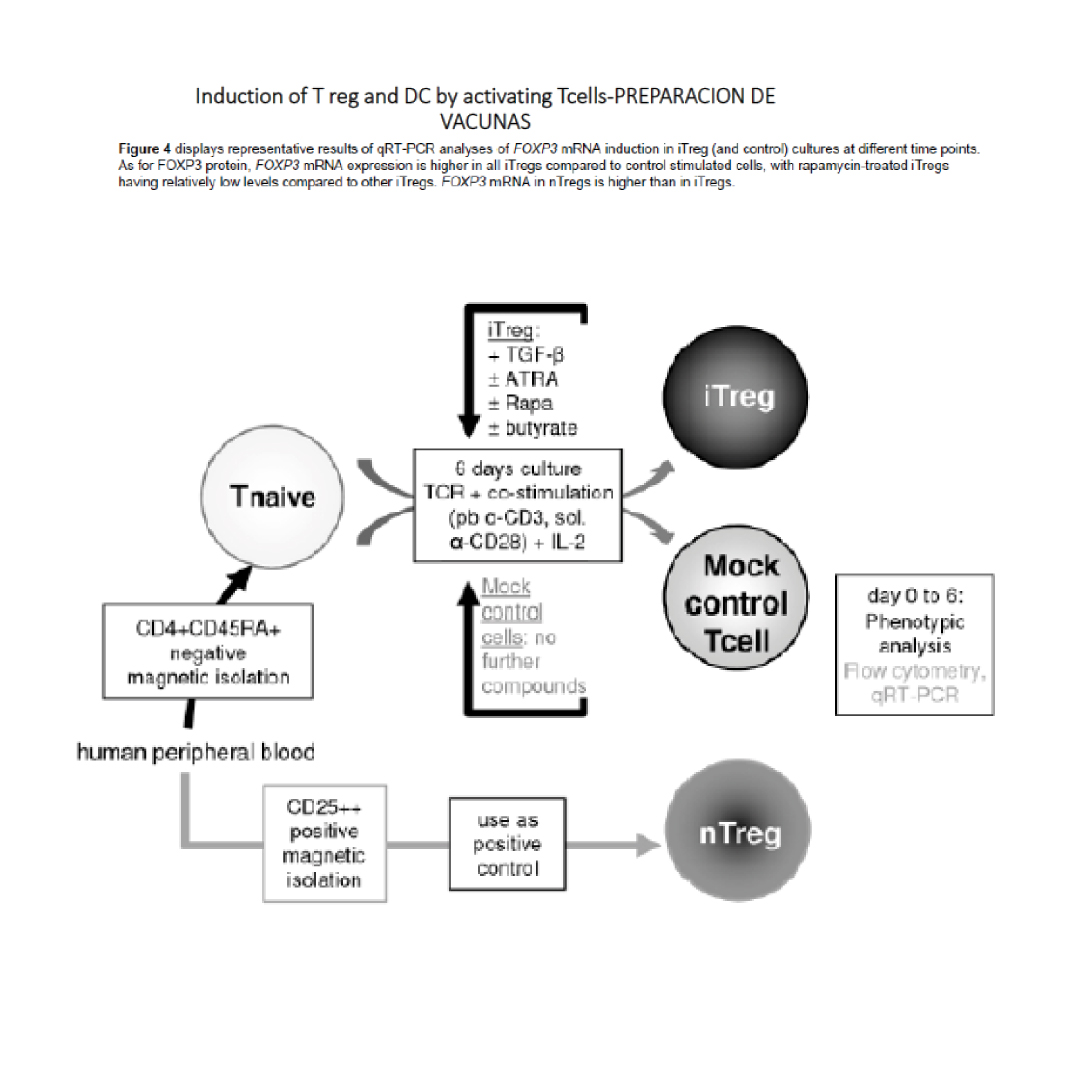
New Treatments
PROTEOMA
We base our nanobiological treatments in “pathways” involved in the target molecules for the new therapies
New products
- Specific immunoenhancing serum against borrelia antigen. Indicated in Lyme disease.
- Neuroimmunodulatory serum for neurological disorders type TEA and derivatives.
- Neuroimmunodulatory serum for neurological disorders type TEA and derivatives.
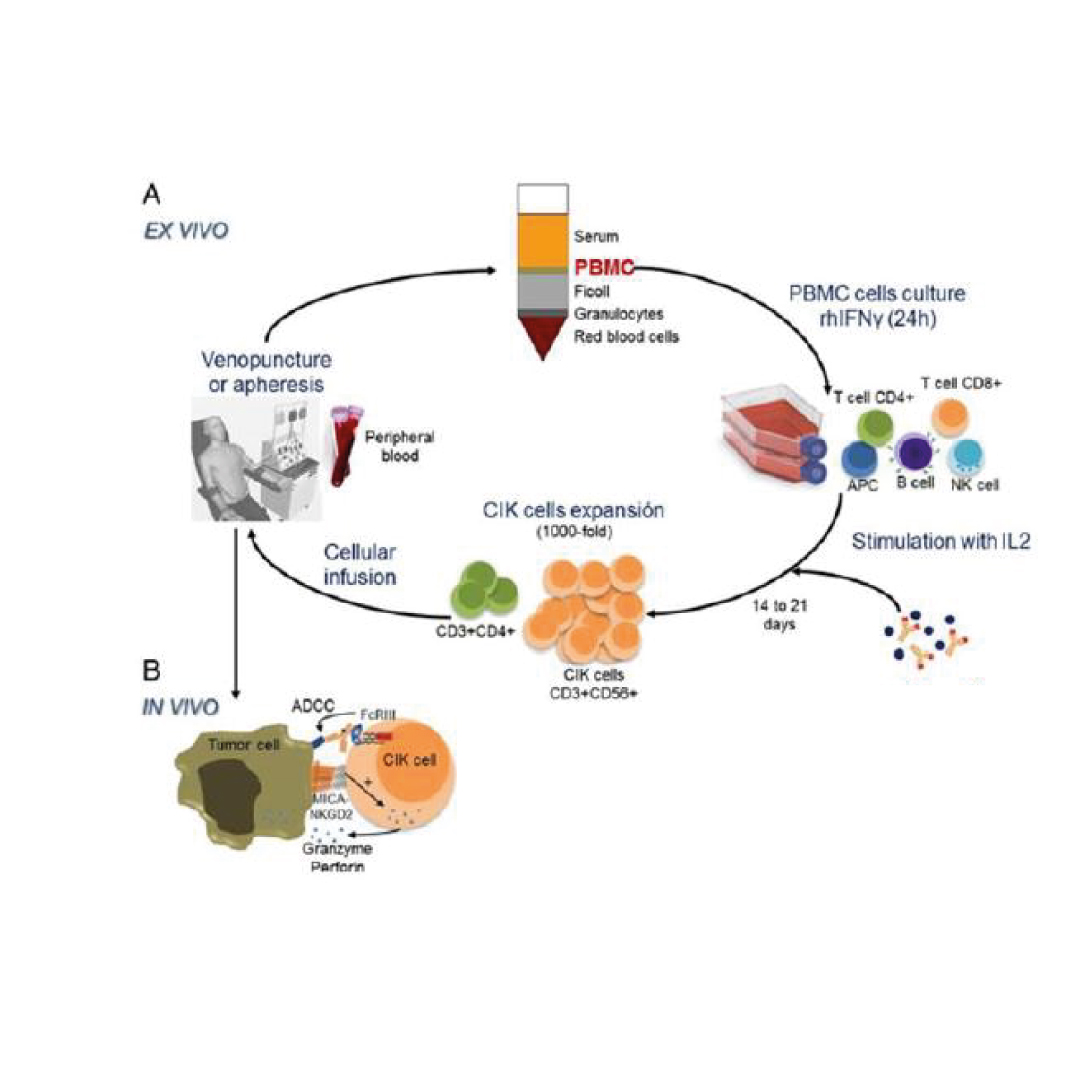
- NK cell activating immunoenhancing serum, indicated in neo processes, chronic viral and bacterial infections.
- Anti-inflammatory serum indicated in patients using PRP. Combined with it, it has excellent results. Indicated in patients with joint, muscle and bone injuries, as well as in hair transplantation.
- Immunomodulatory serum indicated in autoimmune and neurodegenerative disorders such as Alzheimer’s, Parkinson’s, ALS. Tb is applied as an anti-aging enhancer.

C/La Gitanilla n# 17, Promalaga I+D 29004 . Malaga. España
C. La Rioja 2914, Colomos Providencia, 44620 Guadalajara, Jal., México.
Copyright © 2021, All rights reserved.